Overview
About chemical peels
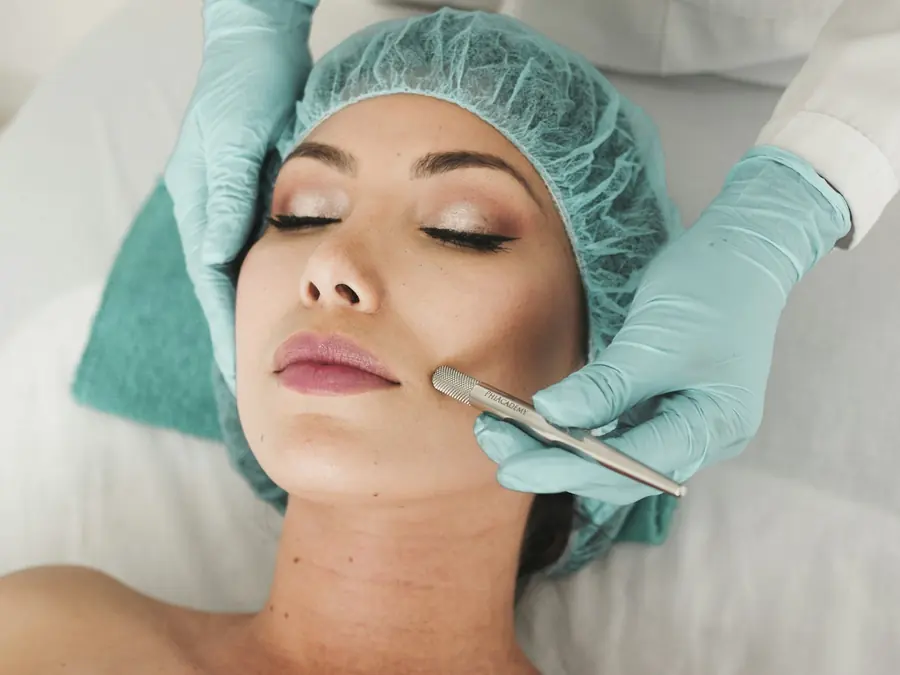
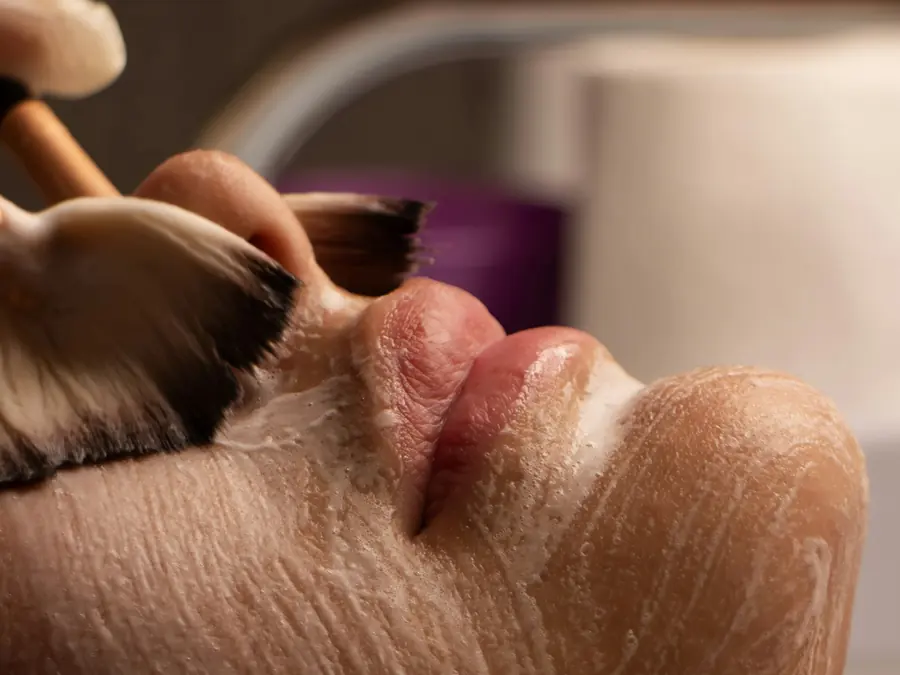
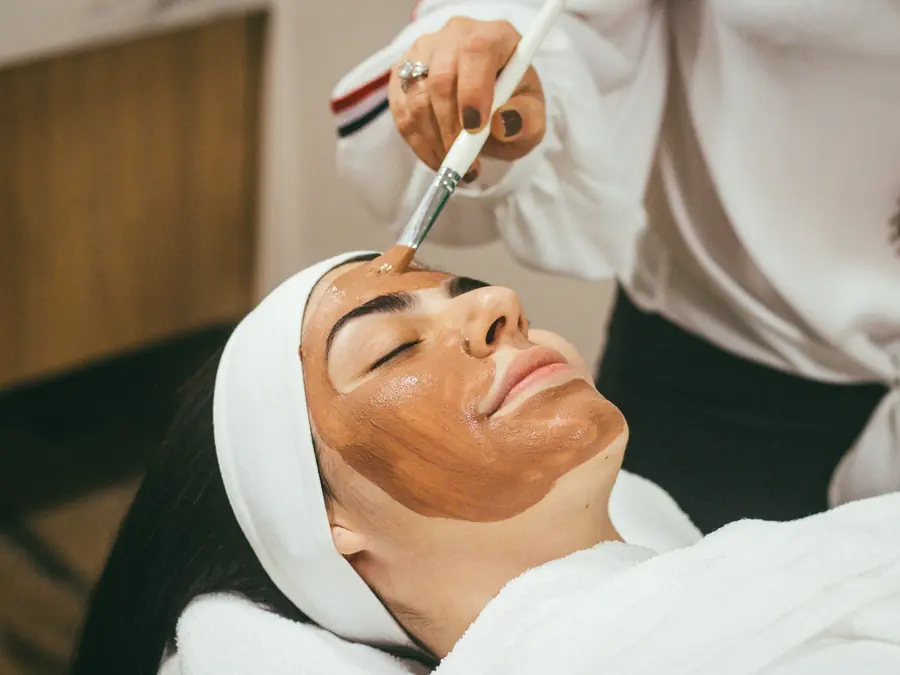
A chemical peel uses a carefully selected medical-grade solution to gently remove the damaged outer layer of skin. It helps fade pigmentation, control acne and reveal fresher, more even-toned skin underneath.
Who is it for?
- Pigmentation, melasma and sun tan
- Active acne and blackheads
- Dull, uneven skin tone
- Mild texture irregularities
How it works
- 1
Skin assessment to choose the right peel and strength
- 2
Peel applied for a precisely timed duration
- 3
Neutralised, soothed and finished with sun protection
What to expect
Sessions
Usually a series of sessions spaced a few weeks apart
Downtime
Mild redness or light flaking for a few days
Results
Brighter, more even tone that builds over the series
Your results timeline
Day 1–3
Mild redness or light peeling as the outer layer renews.
Week 1
Fresher, smoother skin; acne starts to calm.
After 3–4 sessions
Pigmentation fades and tone looks more even.
Maintenance
Occasional peels and sun protection keep results.
Typical progress only — the doctor shares your personal plan at consultation. Results vary from person to person.
Questions about chemical peels
Is chemical peels right for me?
Suitability depends on your skin type, the concern and your medical history. The doctor will examine you and confirm whether chemical peels is the right choice before planning sessions.
How many sessions will I need?
Usually a series of sessions spaced a few weeks apart. You will get an exact plan at your consultation.
Is there any downtime?
Mild redness or light flaking for a few days. Detailed aftercare instructions are given after every session.